Jason Danziger at the JEI 2026, Lausanne
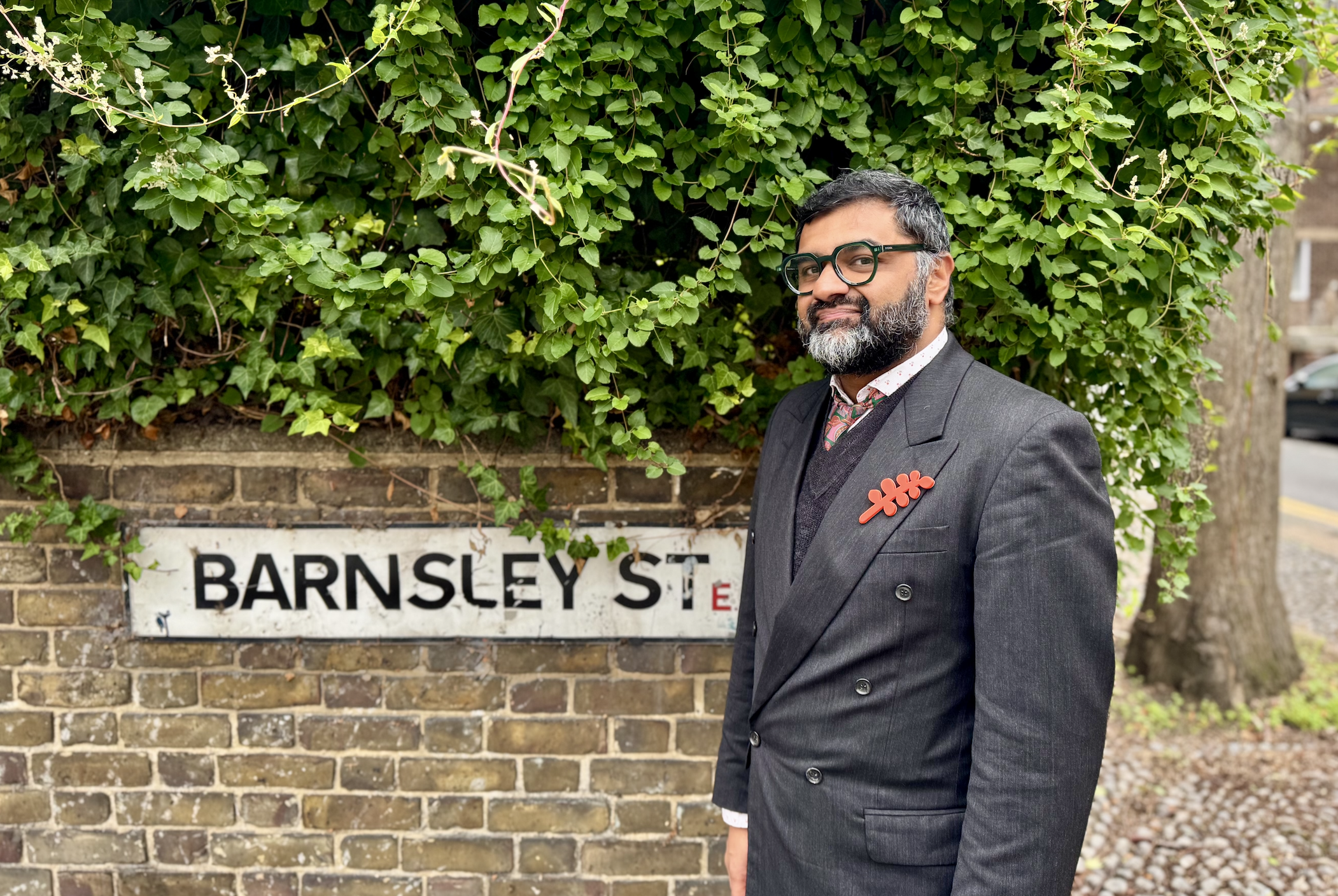
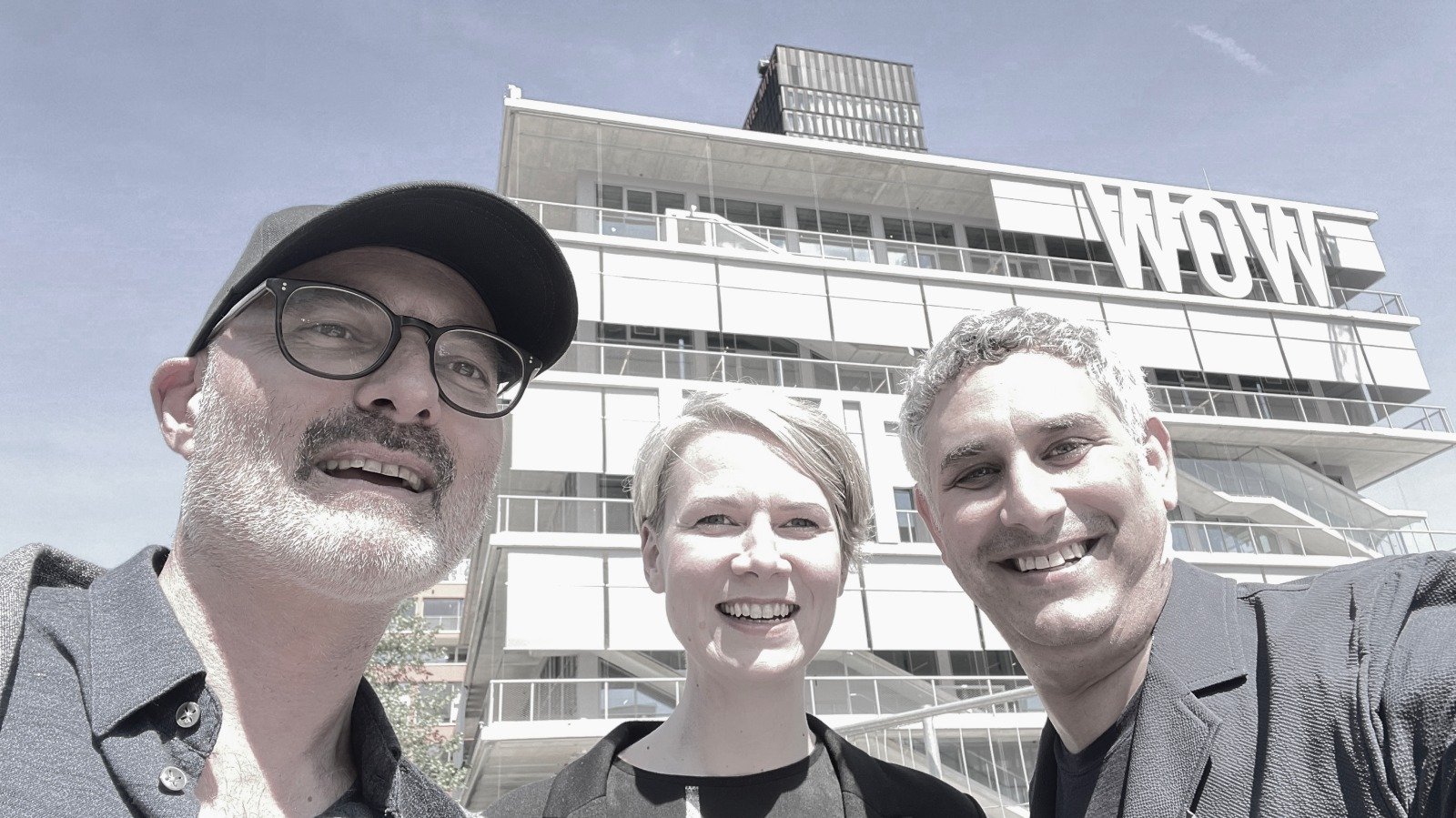
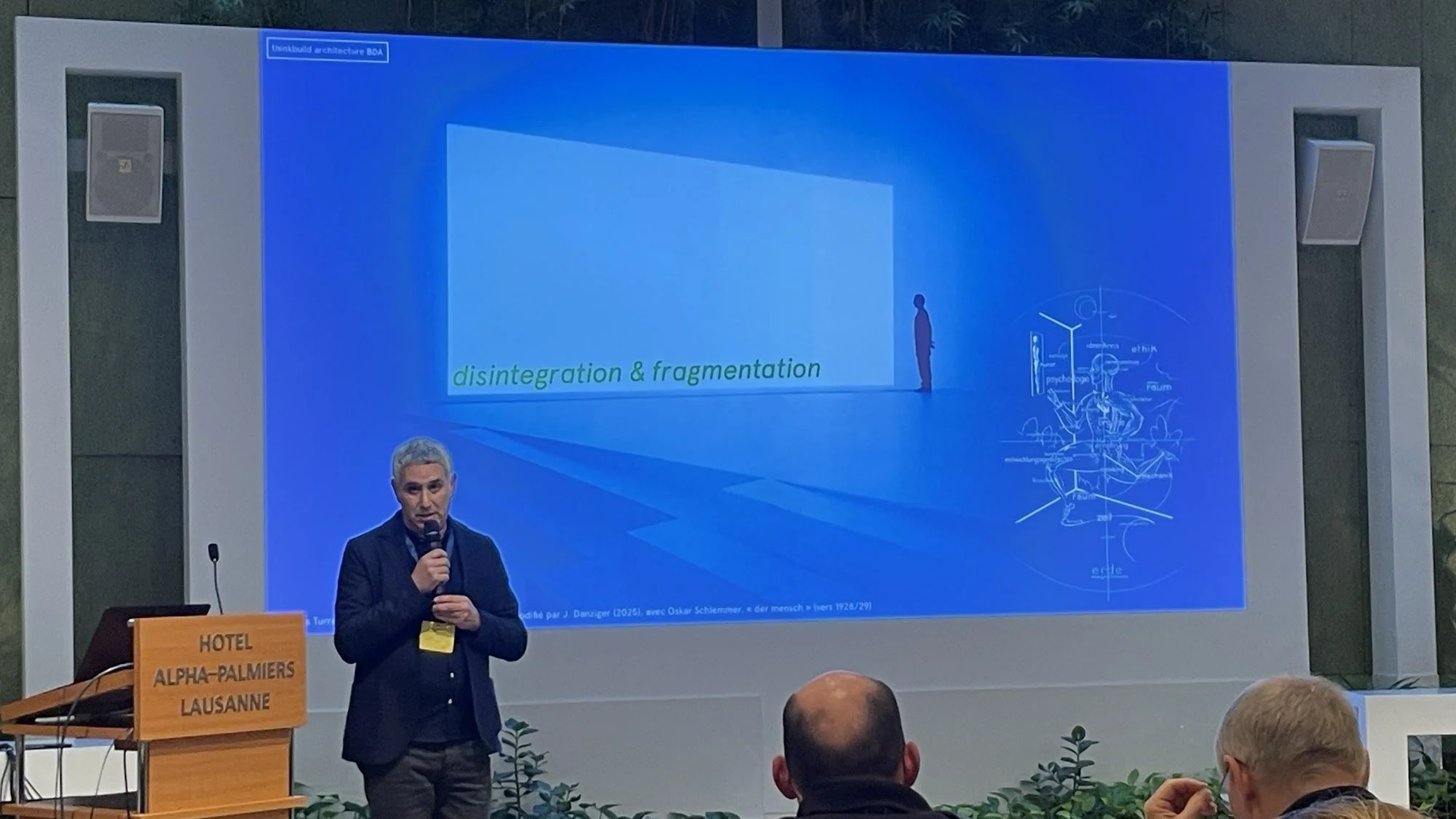
Jason Danziger (thinkbuild architecture BDA/Berlin) est intervenu le 25 novembre 2026 à Lausanne dans le cadre de la JEI – Journée romande pour l'éclairage intérieur, organisée par l'Association Suisse pour l'éclairage SLG à l'Hôtel Alpha-Palmiers. Sa conférence, « Quand la couleur et la lumière deviennent des matériaux d'architecture », partait d'un constat : trop souvent considérées comme une finition ajoutée en fin de projet, la couleur et la lumière sont de véritables matériaux d'architecture, à décider dès les premières étapes de la conception.
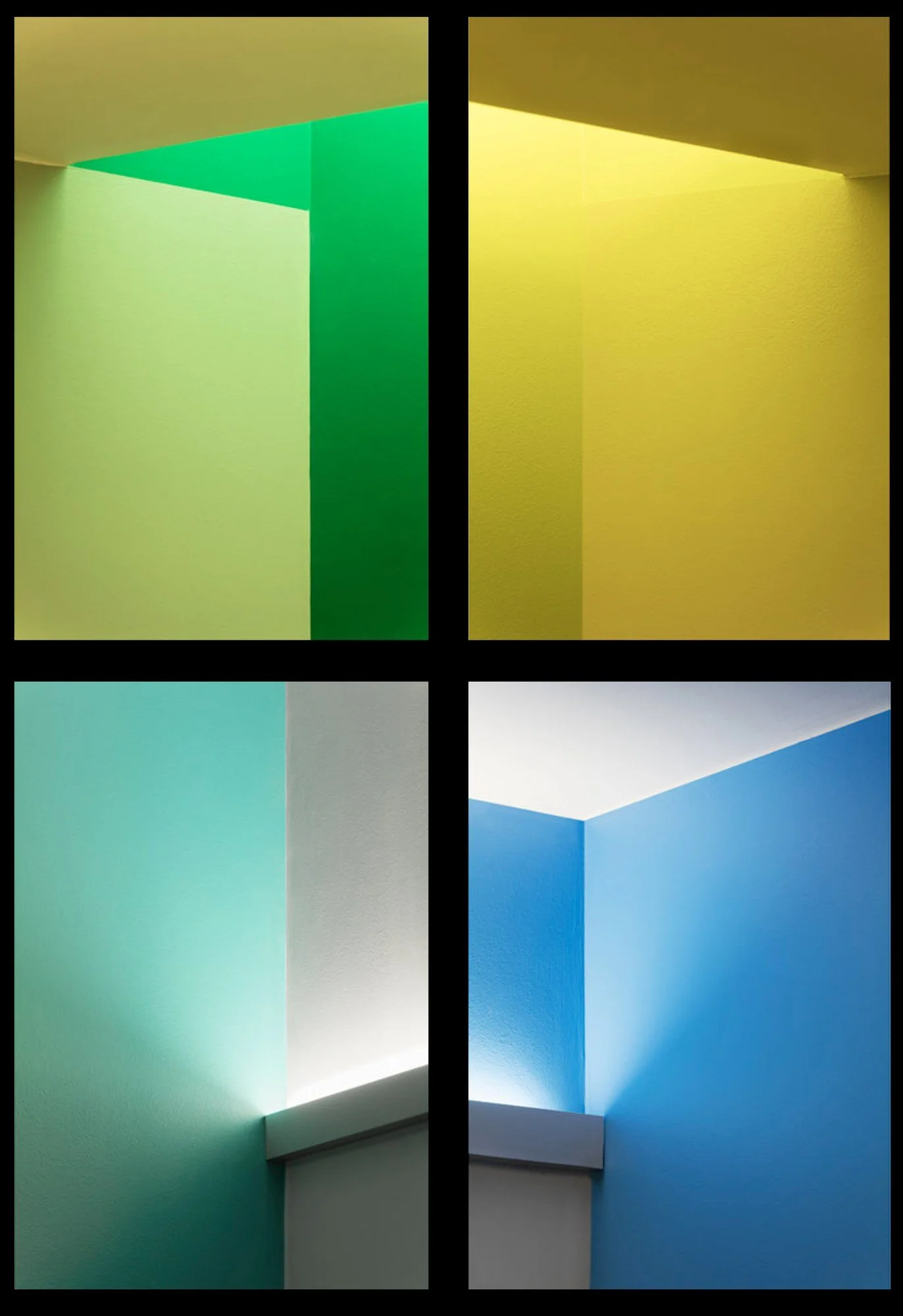
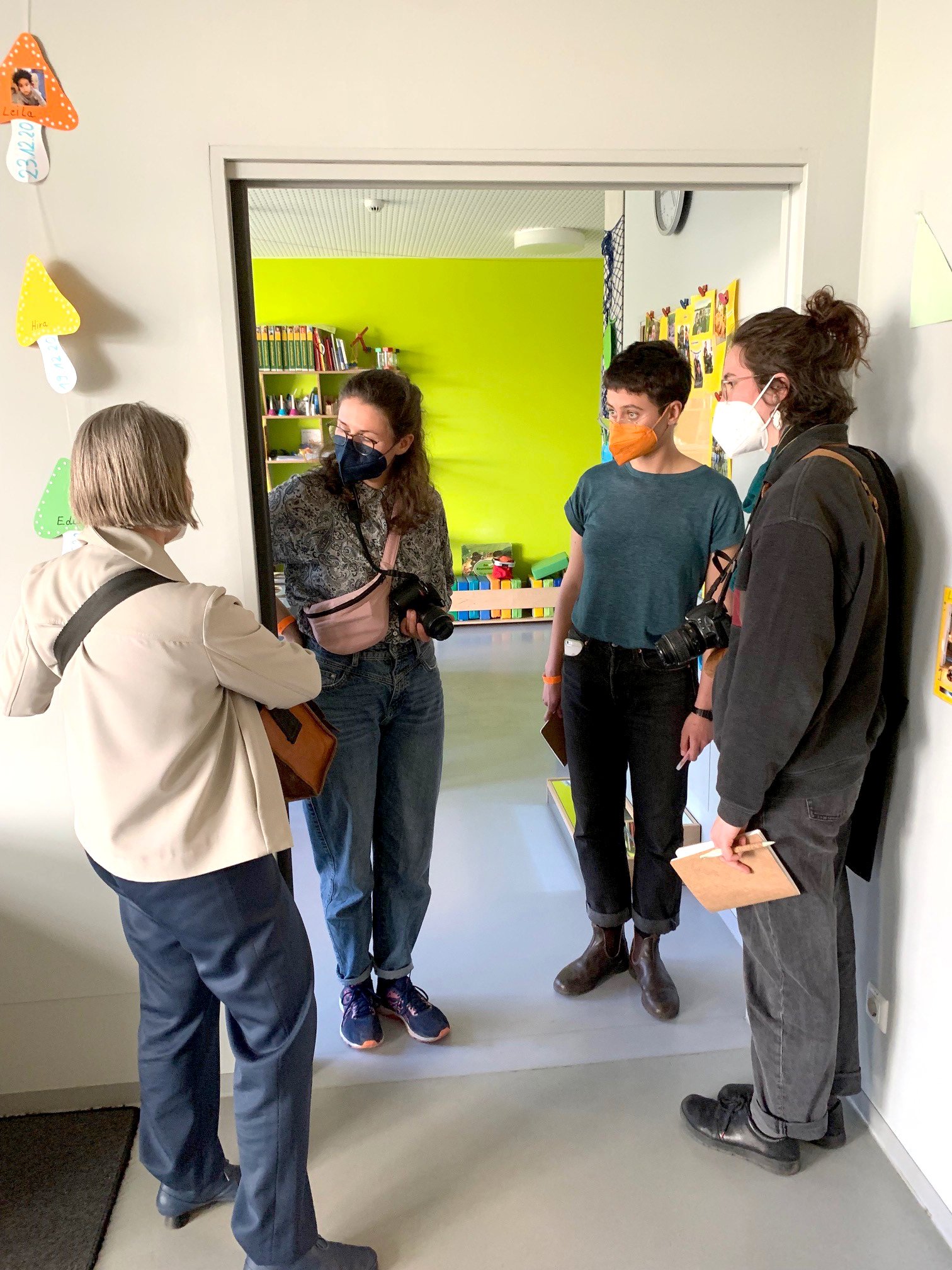
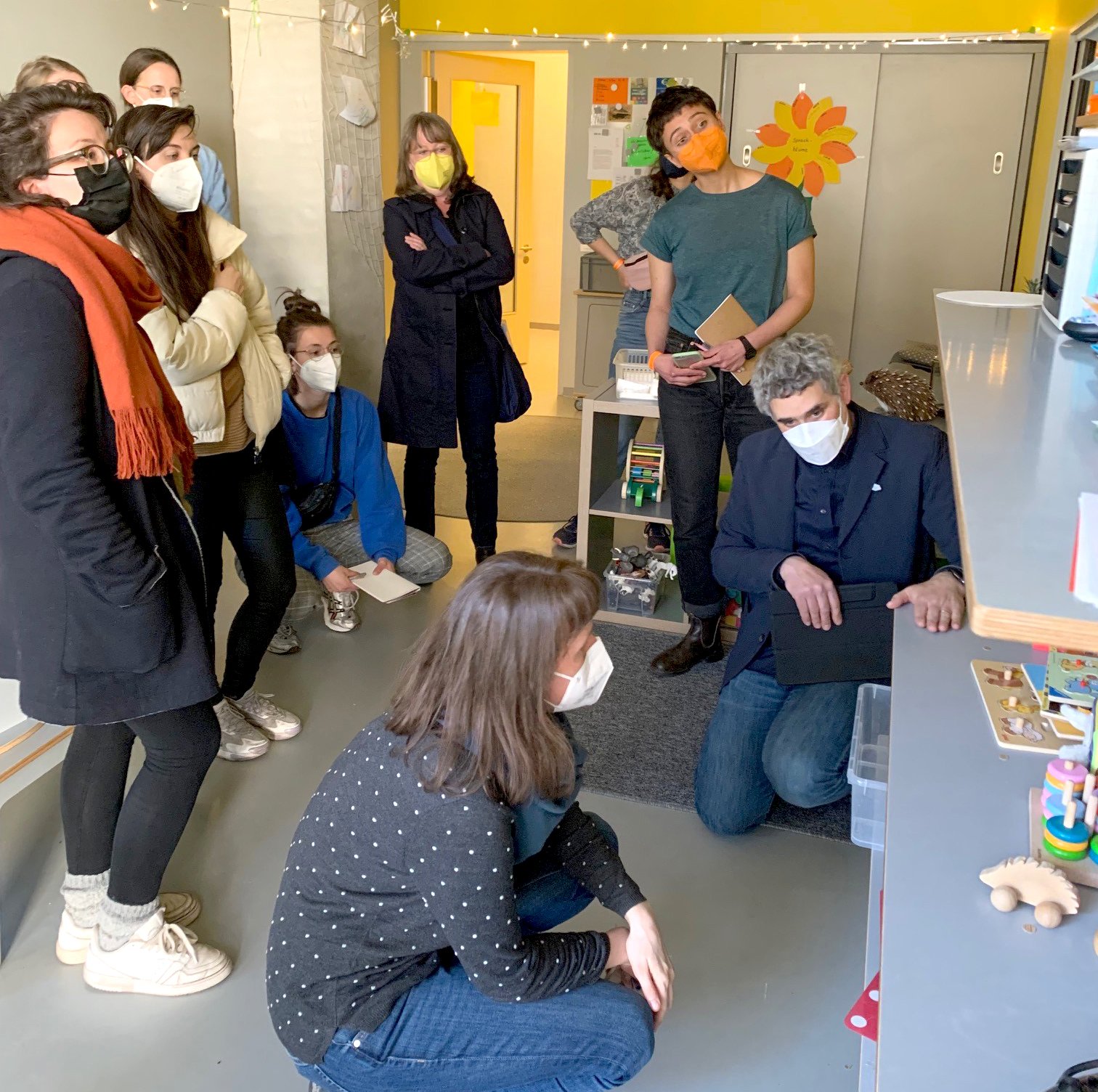
Colour Slippage (photos Werner Hutmacher)
Le point de départ était le programme d'enseignement du bauhaus de 1922, qui range la couleur parmi les matériaux de base, à côté de la pierre, du bois, du métal et du verre. La conférence proposait d'y ajouter la lumière. Celle-ci devient matériau dès qu'elle rencontre quelque chose : la poussière la rend visible, comme chez Hammershøi ; le verre la colore, comme chez Sir John Soane ; une surface lui donne sa couleur, qu'elle dépose ailleurs. Ce glissement de couleur explique qu'un poulet blanc devienne vert à côté d'un mur vert.
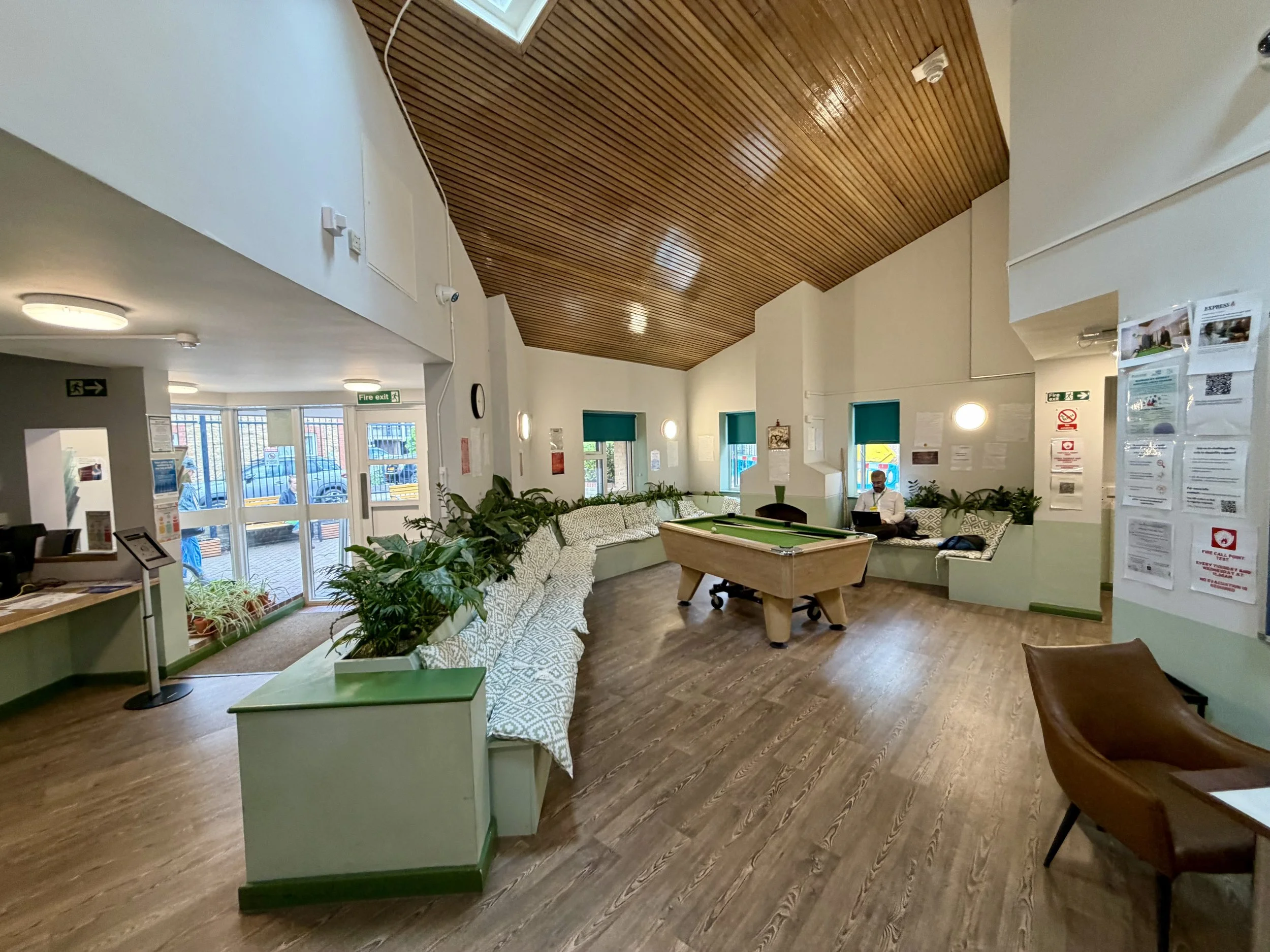
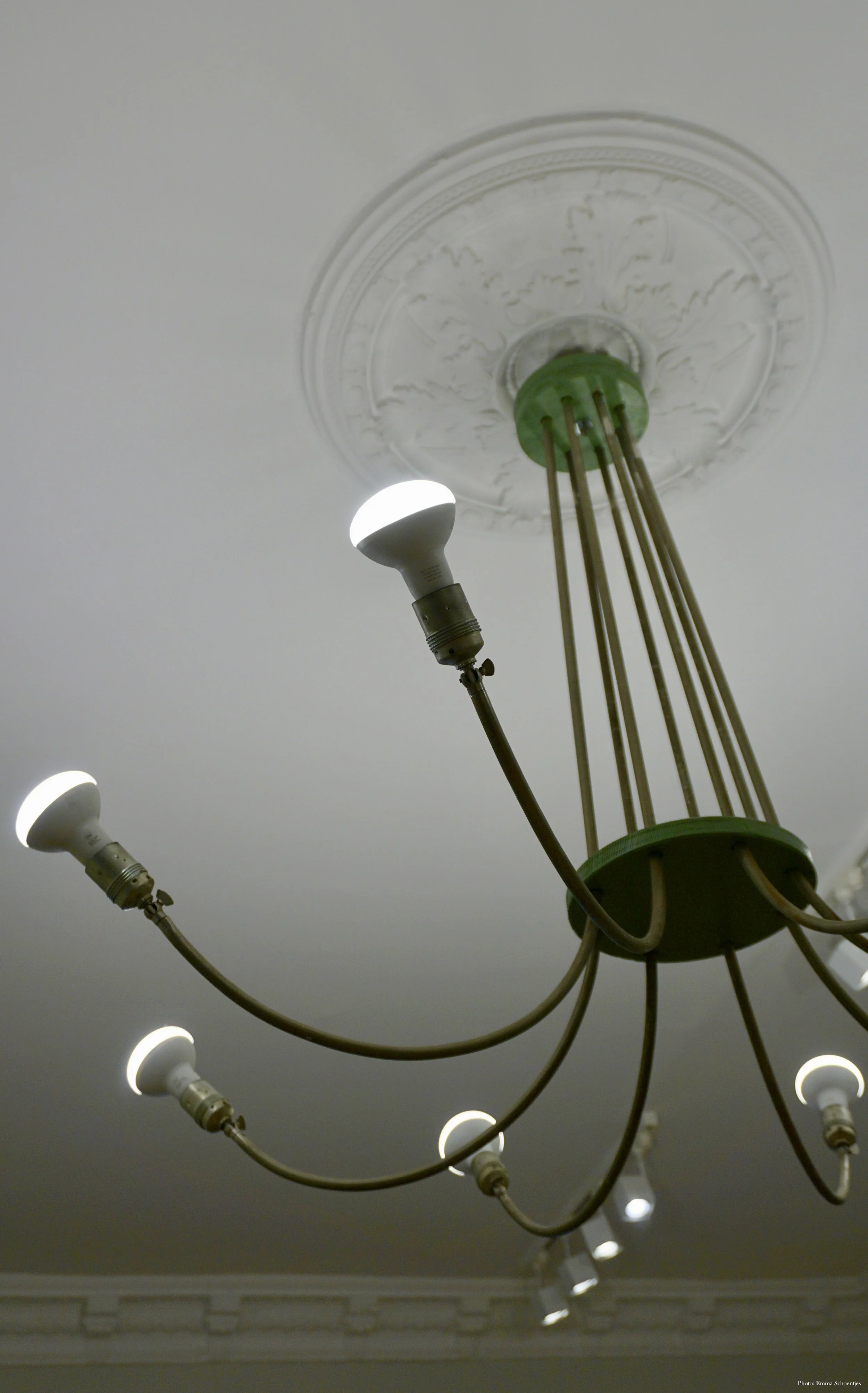
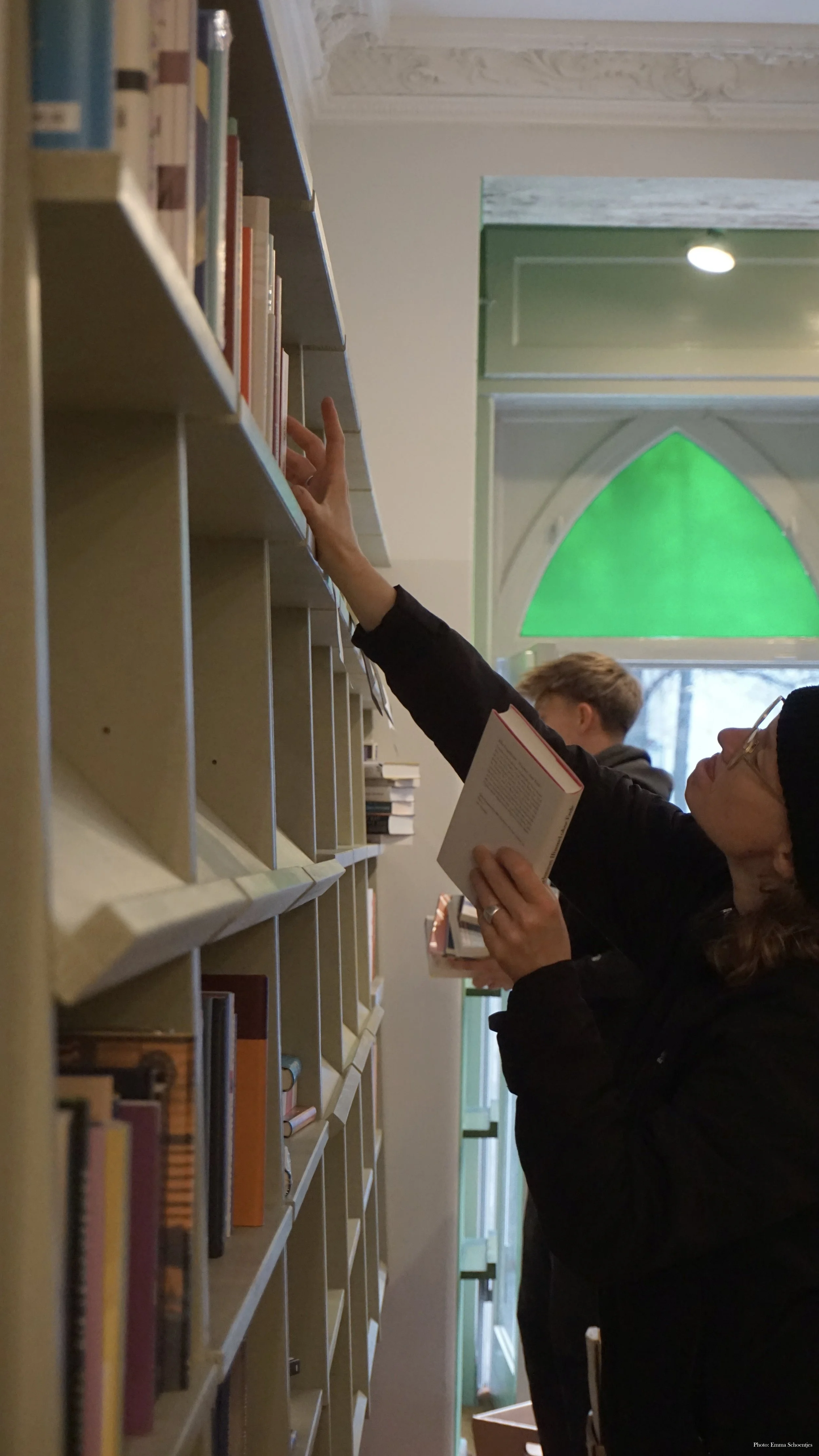
Ensemble, la couleur et la lumière font l'atmosphère, cet espace que l'architecte ne dessine pas et où l'on vit pourtant. À la Soteria Berlin, unité pour personnes en crise psychotique aiguë à l'hôpital St. Hedwig, l'atmosphère fait partie du traitement : la couleur réfléchie y suit la lumière du jour, aide à s'orienter et ramène les pièces à l'échelle du corps.
Un grand merci à Gregory Bartholdi et à la SLG pour l'invitation, ainsi qu'à Caroline Karmann (HEIA-FR) pour la mise en relation. Le programme complet de la journée est disponible ici.
Jason Danziger (thinkbuild architecture BDA/Berlin) spoke on 25 November 2026 in Lausanne at the JEI – Journée romande pour l'éclairage intérieur, organised by the Association Suisse pour l'éclairage SLG (Swiss Lighting Association) at the Hôtel Alpha-Palmiers. His lecture, "When colour and light become architectural materials," began from a simple observation: too often treated as a finish applied at the end of a project, colour and light are architectural materials in their own right, to be decided from the very first stages of design.
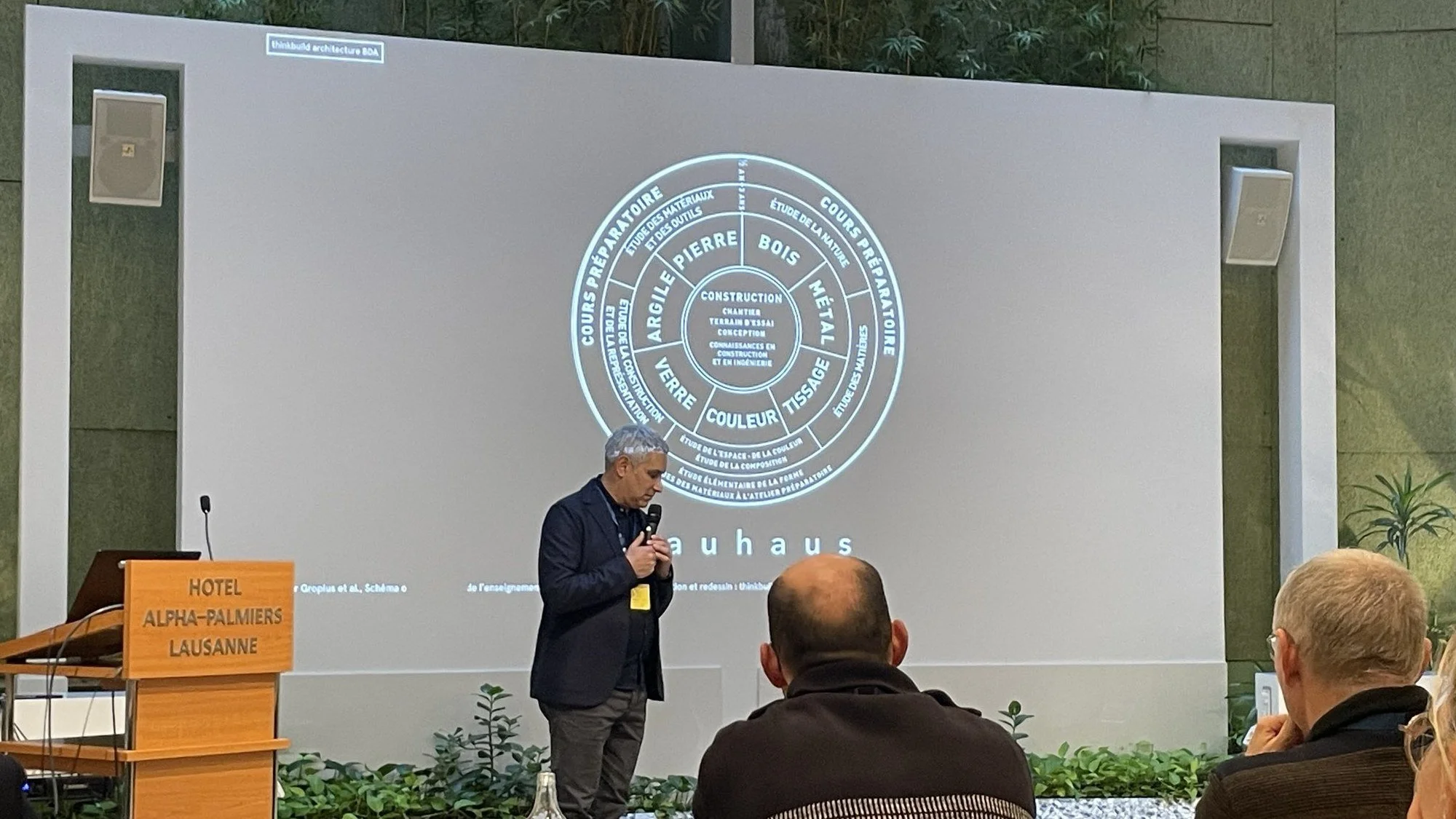
the bauhaus curriculum of 1922
The starting point was the bauhaus curriculum of 1922, which lists colour among its base materials, next to stone, wood, metal and glass. The lecture proposed adding light. Light becomes material the moment it meets something: dust makes it visible, as in Hammershøi's interiors; glass colours it, as in Sir John Soane's house; a surface gives it colour, which it carries elsewhere. This colour slippage is why a white chicken turns green beside a green wall.
Together, colour and light make atmosphere, the space the architect does not draw and where people nevertheless live. At the Soteria Berlin, a ward for people in acute psychotic crisis at St. Hedwig Hospital, atmosphere is part of the treatment: reflected colour follows the daylight, helps people find their way and brings rooms back to the scale of the body.
Our thanks to Gregory Bartholdi and the SLG for the invitation, and to Caroline Karmann (HEIA-FR) for the introduction. The full programme for the day can be found here.